Authors

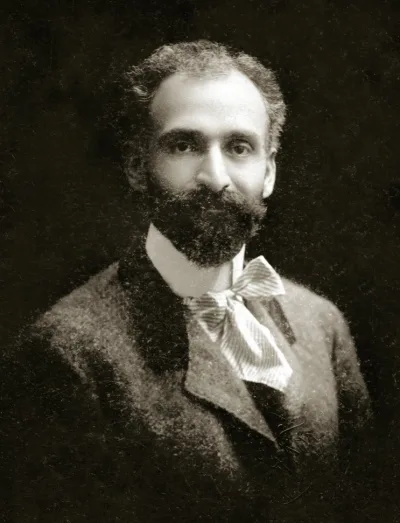
Portrait of Hovhannes Toumanyan

Hovhannes Toumanyan

1869–1923

The Voice of Armenian Storytelling

Hovhannes Toumanyan, celebrated as the national poet of Armenia, remains one of the most beloved and influential figures in Armenian literature. A poet, writer, and master storyteller, he transformed the wisdom of folklore and the simplicity of everyday life into timeless works that continue to enchant generations.

Toumanyan was born in 1869 in the picturesque village of Dsegh, nestled among the mountains of Armenia's Lori region. He grew up surrounded by breathtaking landscapes, ancient legends, and rich folklore traditions. These early influences shaped his imagination and became the foundation of his literary world.

He spent much of his life in Tiflis (present-day Tbilisi), then a flourishing center of Armenian cultural and intellectual life, where he became a leading voice in literature and a devoted advocate for his people.

Toumanyan possessed a rare gift: the ability to reveal profound truths through seemingly simple stories. Drawing inspiration from Armenian folk traditions, he brought to life unforgettable characters and tales filled with wit, tenderness, humor, and wisdom. His stories explore the enduring complexities of human nature, touching upon kindness and greed, justice and foolishness, love and compassion.

Beyond his literary achievements, Toumanyan was a humanitarian and a unifying cultural figure who believed deeply in the power of understanding, peace, and human dignity.

He passed away in 1923, leaving behind a literary legacy that transcends time and borders.

More than a century later, Toumanyan's tales retain their extraordinary ability to speak to readers of every age. Beneath their playful narratives lies a profound understanding of life, reminding us that the greatest wisdom is often found in the simplest words.

This limited edition celebrates the enduring magic of his storytelling—a tribute to the imagination, wisdom, and cultural heritage of Armenia's beloved poet.
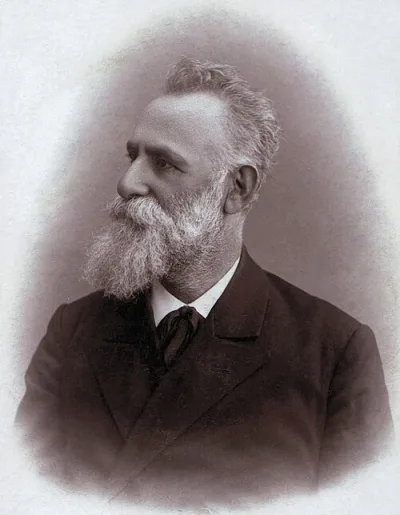
Portrait of Ghazaros Aghayan

Ghazaros Aghayan

1840–1911

Ghazaros Aghayan was an Armenian writer, poet, and teacher who brought the voices of Armenian oral storytelling to the printed page. Born in Bolnis-Khachen, an Armenian village in what is now Georgia, he studied briefly at the Nersisian School in Tiflis before continuing his education on his own. He worked as a typesetter in Tiflis, Moscow, and St. Petersburg, then managed the printing press at Etchmiadzin and edited the journal Ararat.

Aghayan taught in Armenian schools and wrote a reading primer that children used for decades. His works include the autobiographical novel Arutin and Manuel and the narrative poem Tork Angegh. Two of his best-known fairy tales are Aregnazan and Anahit. First published in 1881, Anahit tells of a young woman who insists that a prince learn a trade before she will marry him. The skill he learns later helps save his life. Aghayan wanted children to put themselves in his characters’ place and imagine what they would do when faced with danger.

In 1895, the tsarist authorities arrested Aghayan on charges of belonging to the Armenian Hunchak Party. He spent several years in exile. Back in Tiflis, he became the eldest member of Vernatun, an Armenian literary circle that included the poet Hovhannes Tumanyan and the playwright Levon Shant. He died in Tiflis in 1911.

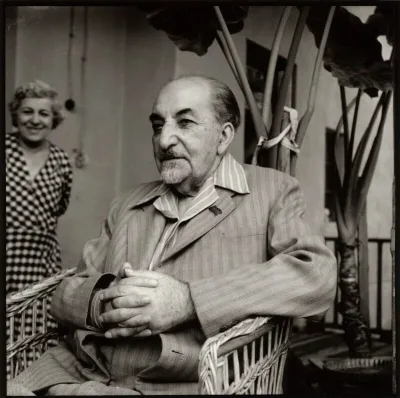
Portrait of Avetik Isahakyan

Avetik Isahakyan

1875–1957

Poet, writer and thinker

Few Armenian writers have explored the inner life of the individual with the sensitivity and insight of Avetik Isahakyan. His literary world is both intimate and philosophical, reflecting a profound understanding of human nature.

Born in 1875 in Alexandropol, now Gyumri, Isahakyan studied at the Gevorgian Seminary in Etchmiadzin and at the University of Leipzig, where Armenian cultural traditions came into contact with European intellectual thought.

His first collection, Songs and Wounds (1897), introduced themes that would remain central to his work: love, separation, exile, the passage of time and the longing for freedom. His poetry is characterized by its natural rhythm, emotional precision and simplicity of expression. Although poetry brought him renown, Isahakyan also distinguished himself in prose. His short stories, fables and legends reveal a deep understanding of human behavior, often combining subtle irony with philosophical reflection.

His political activities led to imprisonment, and he subsequently spent long periods in Europe. Despite his years abroad, he maintained close ties with Armenian cultural life before returning permanently to Armenia in 1936.

Affectionately known as Varpet, meaning “Master,” Isahakyan became a member of the Academy of Sciences of the Armenian SSR in 1943 and chaired the Writers’ Union of Armenia from 1944 until his death in Yerevan in 1957.

His stories invite readers to look beyond appearances, question preconceived ideas and discover new meanings in the complexities of everyday life

Tales.am